Learning Together
Hands-on Discovery
Science is about people as much as discovery. Forming communities out of collections of intellectually curious individuals during the learning process is part of the fun of hands-on discovery processes. By creating personal connections during the experience, participants retain both facts and warmth about the subject matter, encouraging lifelong practice of the scientific method.
Biohacker Boot Camp
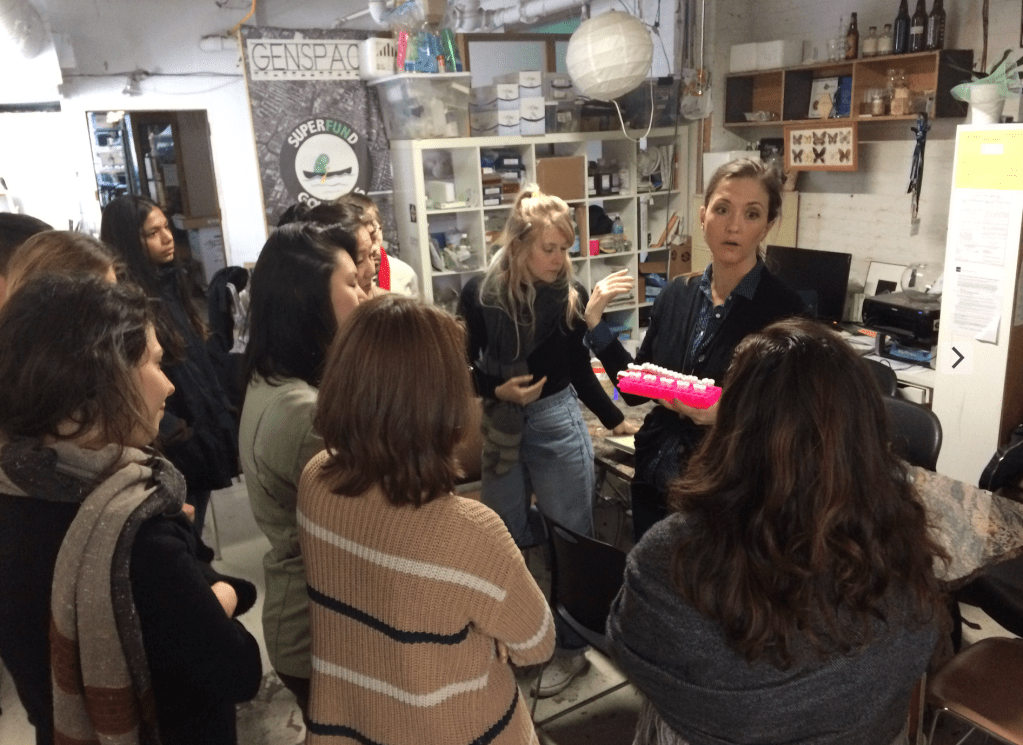
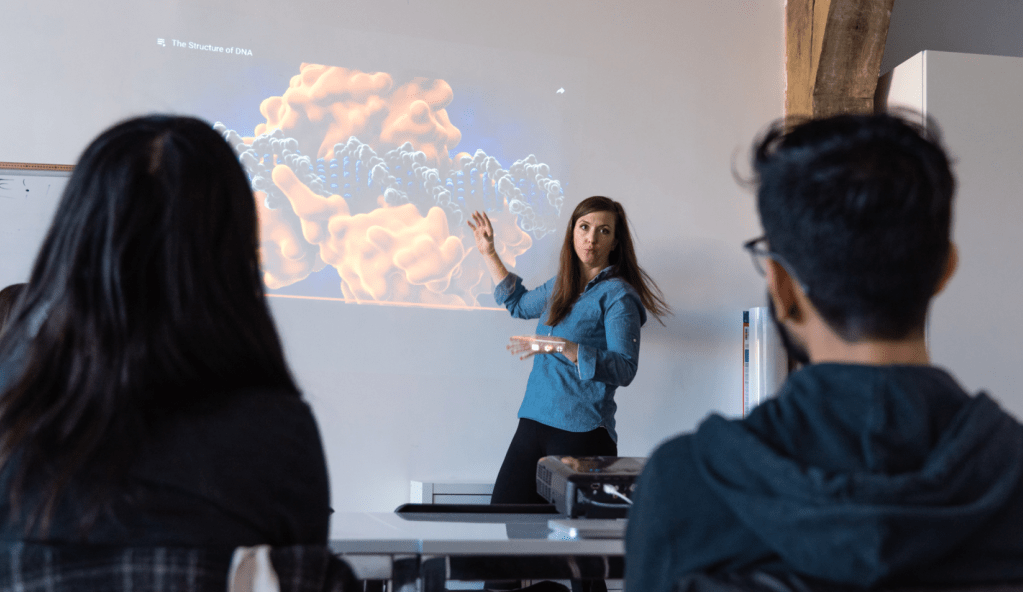
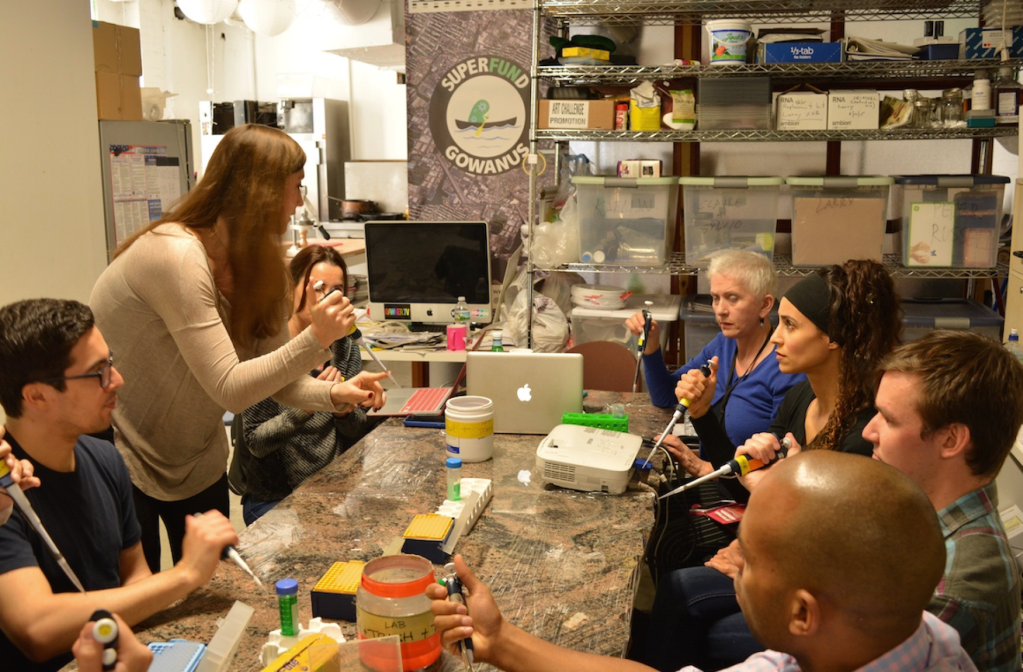

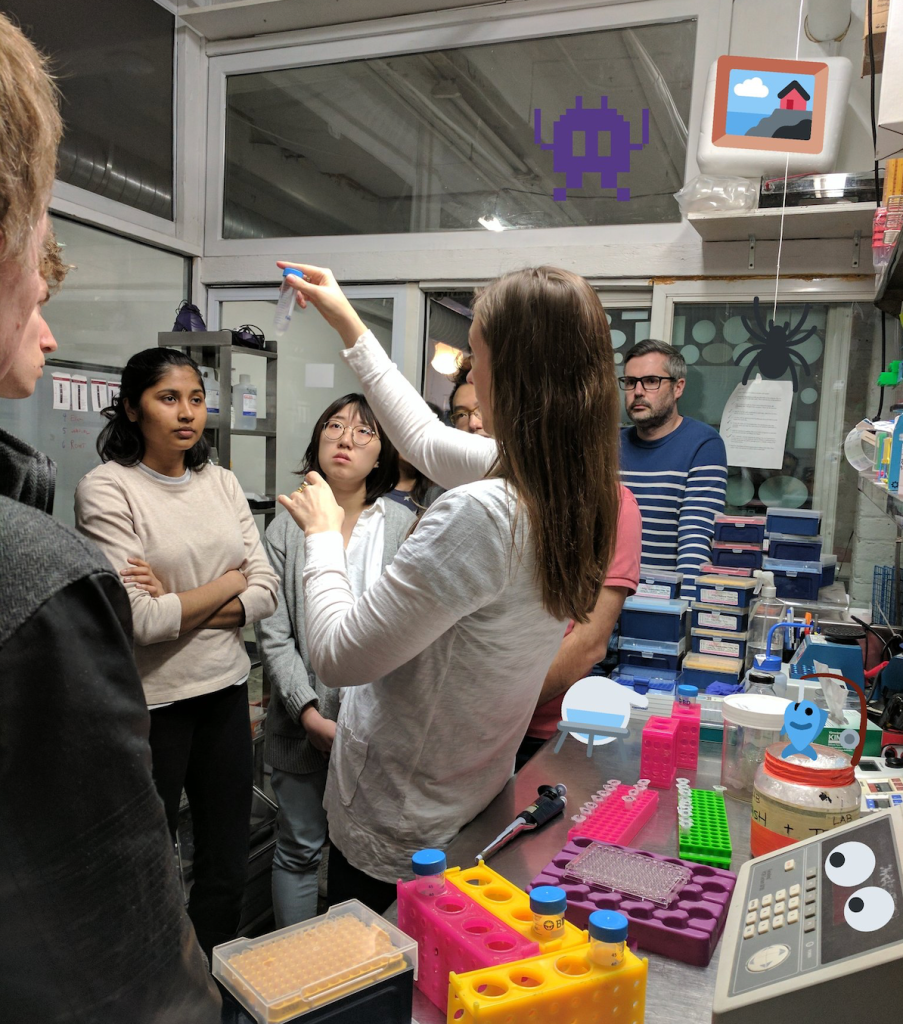
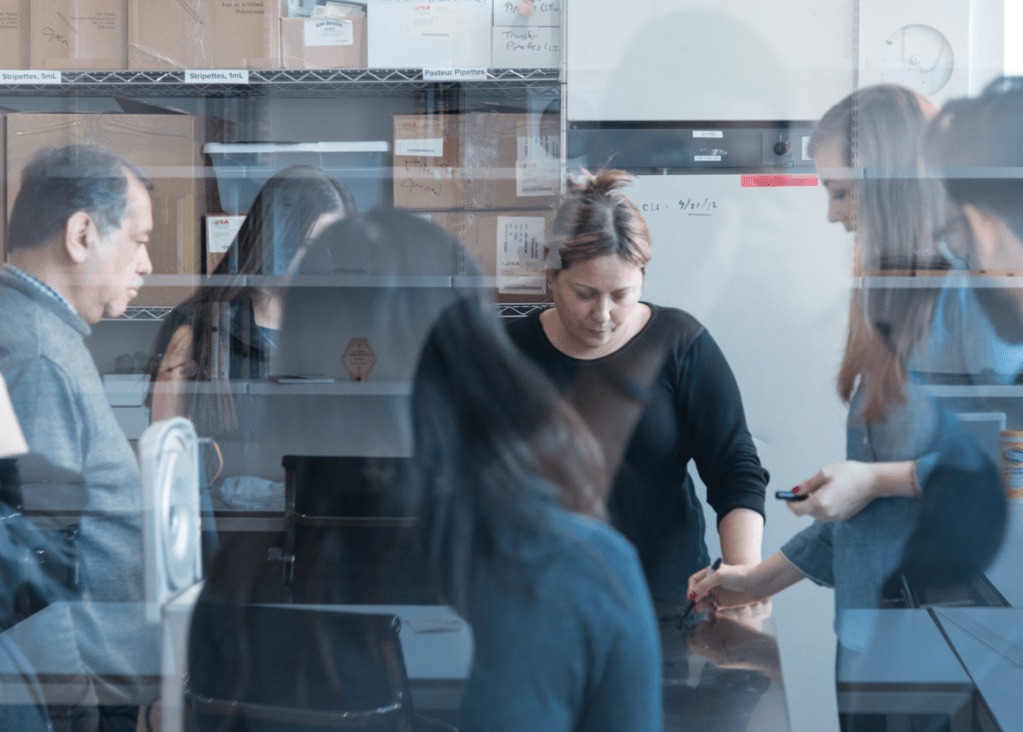
From 2016-2020, I taught a monthly course at Genspace. Called Biohacker Boot Camp or Biotech Crash Course, the class covered theoretical and hands-on molecular biology. Students of all backgrounds learned about the molecule that constitutes the blueprints of life, DNA.
By learning the physical and chemical properties of DNA, students came to understand how modern scientists are able to read, write, and rearrange nucleotide sequences.
There were 2 hands-on projects throughout the course:
- Students isolated and sequenced a short piece of their own DNA from their cheek cells, using it to trace their genetic ancestry.
- Students generated a genetically modified organism in the form of GFP- or RFP-expressing E. coli.
Genspace still offers the Biohacker Boot Camp; see here for their entire course catalog.
Agar Art Workshops

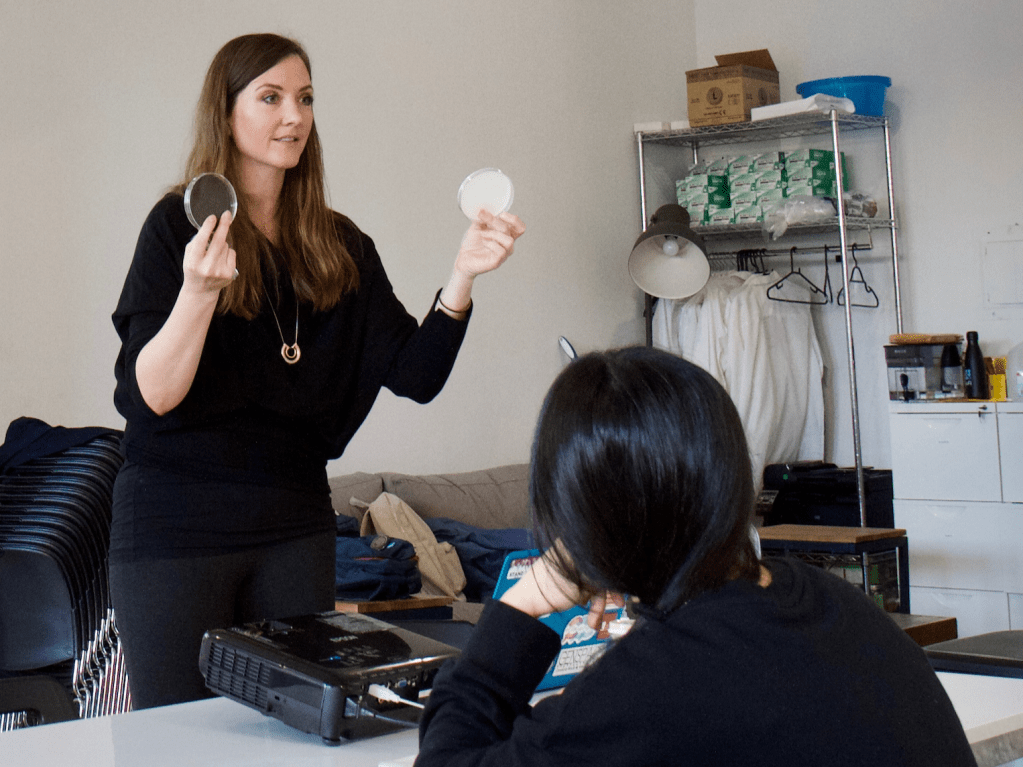


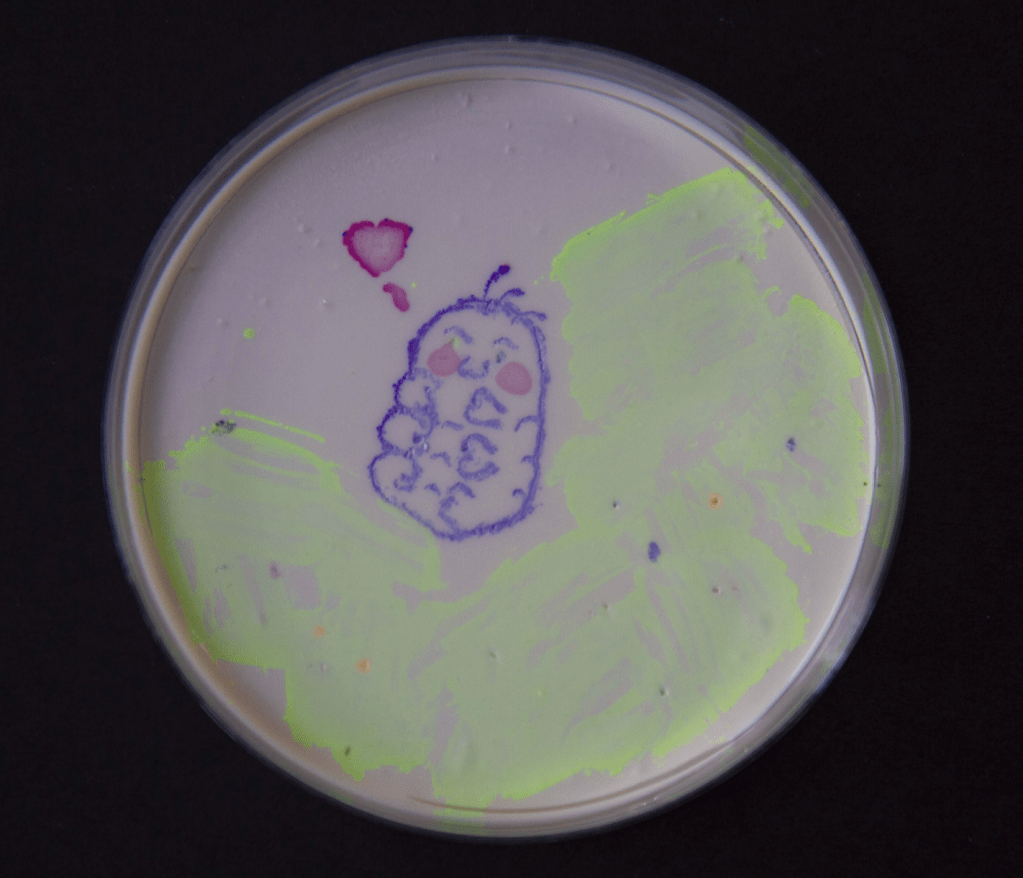
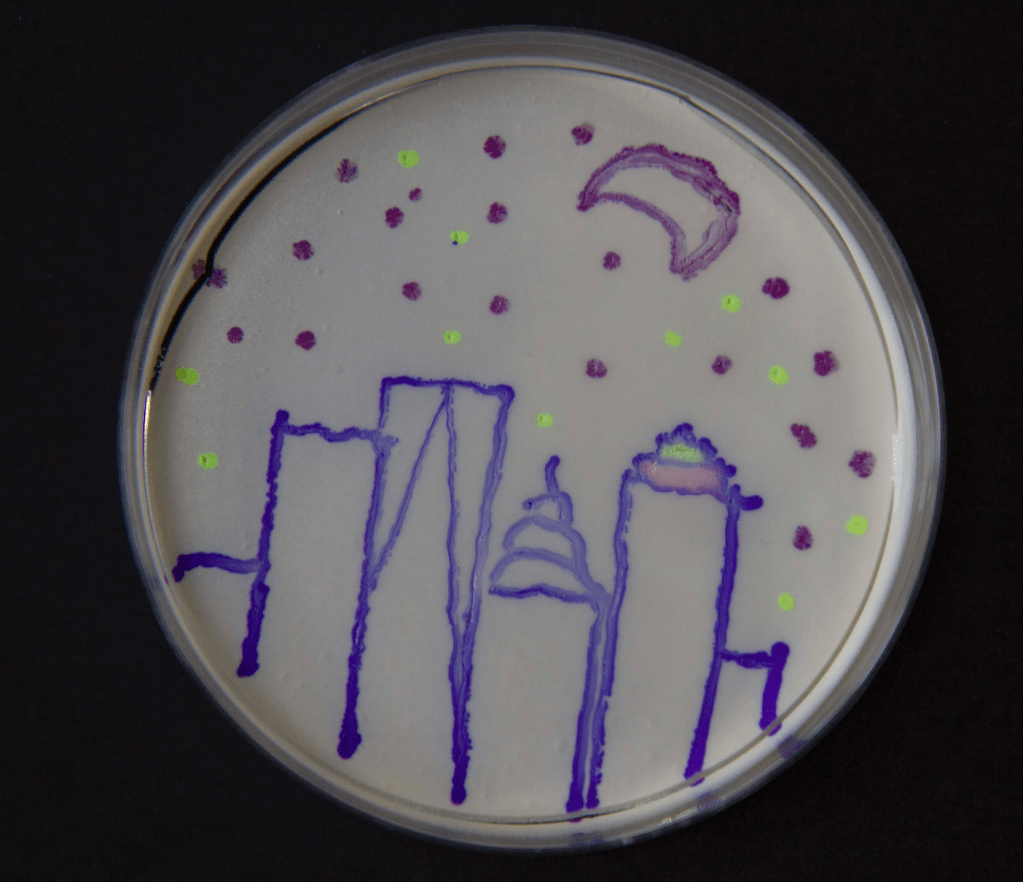

Bacterial art introduces the non-scientific public to the beauty and diversity of the microbial world. Workshops provide safety instructions, a basic lesson on microbiology techniques, and a bit of context for using bacteria for aesthetic purposes (fun fact: the same scientist who discovered penicillin also created microbial artworks).
Using safe-to-use (read: BSL1) microbial species, participants use microbial ‘paints’ on their agar ‘canvas,’ and the developed artwork pieces are later shared by email. Participants at workshops held in coordination with the American Society for Microbiology’s Agar Art Program can compete in the annual contest. I conducted workshops at:
- Genspace
- TEDxCUNY
- School of Visual Arts
Science Communication Events
How can scientists translate their research to a broad audience? What constitutes jargon? Why are some scientists more comfortable using social media than others?
I’ve hosted multiple in-person workshops, including
- Communicating Science Succinctly: From A to T (Abstracts to Tweets)
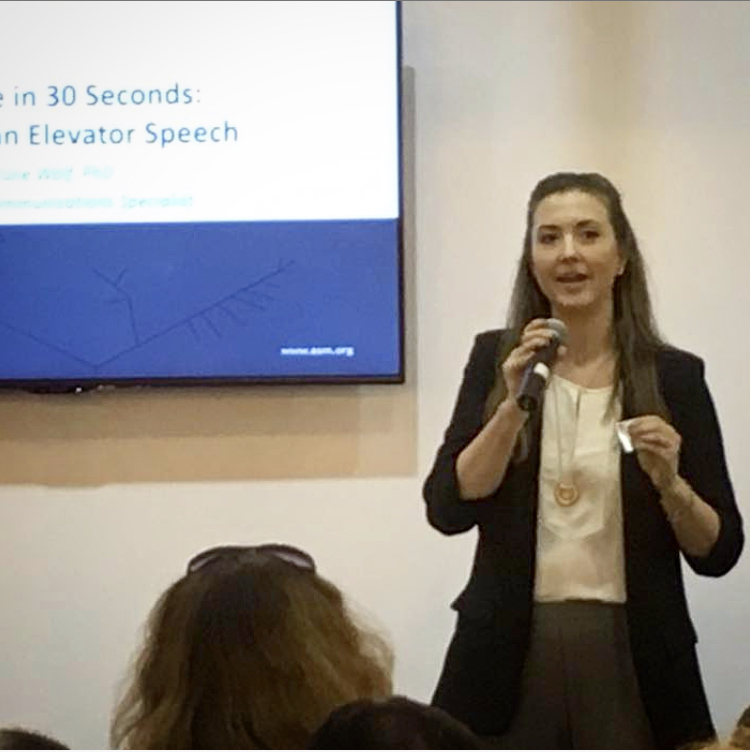
- Science in 30 Seconds: Develop an Elevator Speech
- Scientific Communication in 140 Characters or Less
- Mmm…Tasty: Digesting Science via Online Writing
- Social Media and Your Career
These were presented at the annual ASM Microbe conference, hosted by the American Society for Microbiology.

 Julie Marie Wolf